
"harvest impact"
2000 article(s) found

The indomitable spirit of Ugandan coffee farmers in Uganda the rise of Uganda
Professional coffee knowledge exchange more information about coffee beans Please follow the coffee workshop (Wechat official account cafe_style) Sun-treated Uganda is grown and produced by retail coffee farmers on the northern slope of the Elgon Mountains. The steep rock face of Elgon Mountain almost separates Kenya and Uganda. The microclimatic environment here provides excellent conditions for coffee growth.

What are the local conditions? How is coffee naturally affected by climate, soil, etc.?
We often hear the word "local conditions" when we talk about coffee, but what exactly does it mean? Does it have anything to do with the flavor of coffee? Why do we need to care about the local environment? The author interviewed some people in the coffee and wine industries and asked them to tell you what was going on in the country. What are the local conditions? The word vernacular conditions comes from the French Terroir, which is most commonly used when talking about wine.

Climate change affects coffee production. 25 million coffee farmers' livelihoods are threatened.
Extreme weather events and rising temperatures have a great impact on global coffee production. It is predicted that by 2050, the land suitable for Arabica coffee will be reduced by as much as 50%. Traditional coffee-growing areas, such as Vietnam, India and Central America, will be particularly hard hit. John Connor, chief executive of the Australian Climate Research Institute, said in a statement

Climate change affects coffee production. 25 million coffee farmers' livelihoods are threatened.
Extreme weather events and rising temperatures have a great impact on global coffee production. It is predicted that by 2050, the land suitable for Arabica coffee will be reduced by as much as 50%. Traditional coffee-growing areas, such as Vietnam, India and Central America, will be particularly hard hit. John Connor, chief executive of the Australian Climate Research Institute, said in a statement

Climate change affects coffee production. 25 million coffee farmers' livelihoods are threatened.
Extreme weather events and rising temperatures have a great impact on global coffee production. It is predicted that by 2050, the land suitable for Arabica coffee will be reduced by as much as 50%. Traditional coffee-growing areas, such as Vietnam, India and Central America, will be particularly hard hit. John Connor, chief executive of the Australian Climate Research Institute, said in a statement

What are the local conditions? How will coffee be affected under these conditions?
Professional coffee knowledge exchange more coffee bean information please follow the coffee workshop (Wechat official account cafe_style) We often hear the word "local conditions" when talking about coffee, but what exactly does "local" mean? Does it have anything to do with the flavor of coffee? Why do we need to care about the local environment? The author interviewed some people in the coffee industry and wine industry and asked them to tell you how the local culture is.

Detailed introduction of the method of Variety treatment in African Coffee producing areas in Rwanda
African Rwanda Coffee Inland Eastern Africa the country of Rwanda is located in the middle of the continent, not far from Kenya, one of the world's leading coffee countries. It was not until the early 20th century that the first coffee trees arrived in Rwanda, but it was another three decades before Rwanda's coffee production began to take off. A desolate country that developed coffee culture under the impact of the war. After the war subsided, farmers

Introduction to the characteristics of coffee flavor description and grinding scale in Las Haas Manor, Costa Rica
Costa Rica Las Haas Manor Coffee Flavor description characteristics Grinding scale Taste introduces that coffee has an important impact on all aspects of CR's economic and social life, including the construction of the first railway line, the first university, the first national theater and so on. In 2007, COE events began to be held. The weakly acidic fertile soil nurtured by the volcano of coffee planting is obviously dry and wet for two seasons, high temperature and sufficient drop.
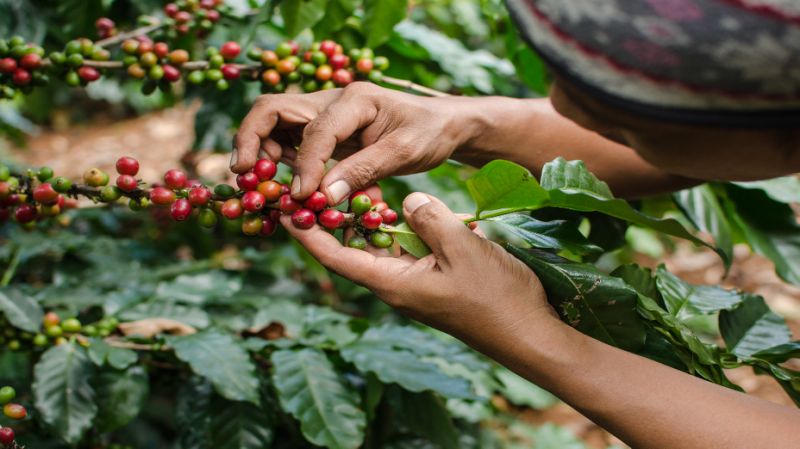
Climate change 60% of wild coffee beans may become extinct! Arabica is an endangered species!
Professional coffee knowledge exchange more coffee bean information Please follow the coffee workshop (official Wechat account cafe_style) many people regard coffee as spiritual food, and the world can drink 2 billion cups of coffee a day. However, researchers at the Royal Botanical Garden say 60% of the world's wild coffee varieties face the threat of climate change, the loss of deforestation habitats and the threat of diseases and pests.

How to deal with the aroma of black tea? how to ferment and produce floral aroma? several methods of extracting fragrance from tea.
We often discuss the importance of harvest date in determining the quality of tea, with emphasis on spring harvest, especially lightly oxidized tea. In fact, the impact of the harvest date is inseparable from another quality signal that is easier to see in finished tea: picking standards. Tea harvested in spring is very precious, especially green and white tea, because they include the most tender leaf buds and the middle of the year.

Ethiopia, a big producer of coffee beans, has reduced production. What will happen in the future?
A lot of the coffee we drink today is made from Arabica beans. Ethiopia is not only an important producer of Arabica coffee beans, but also the largest producer of Arabica coffee beans in Africa, with 15 million people living on it and an important economic pillar. But climate change, such as rising temperatures and reduced rainfall, is affecting the coffee bean industry step by step. NPR reports that

Which coffee varieties are resistant to leaf rust? Control of coffee leaf rust and its harm to economy
When coffee rust first appeared in Brazil, almost all coffee in the Americas, and even almost all commercially produced coffee, could be traced back to a tree planted in King Louis XIV's greenhouse in 1713. Genetic consistency in commercial coffee production poses (and continues to pose) a huge potential risk of devastating epidemics. Wild coffee species have been known for some time

Good weather and recovery of production are expected to increase coffee production in Indonesia by 10% in 2018.
Professional coffee knowledge exchange more coffee bean information Please follow the coffee workshop (Wechat official account cafe_style) expects coffee export performance will be better this year. The increase in coffee exports is supported by domestic coffee production, which is expected to increase by 10% compared with the same period last year. He has been suffering since 2015. After the impact of the El Nino attack, the coffee trees gradually returned to their original state, and now the weather is fine. It is coffee.

Coffee growing tips: Two fungi that affect coffee harvests
Professional barista communication, please pay attention to coffee workshop (Weixin Official Accounts cafe_style) Coffee drinkers may have heard of bourbon, caturra, typica and other coffee varieties. Today we are talking about Lempira, a little-known breed belonging to Catimor. Lemira is a common breed in western Honduras. It's also Hongdu.

What are the bad varieties of coffee beans and grade planning
Fermented coffee beans that fall into the soil before harvest. Moldy odor, will have a great impact on the taste of coffee. Dead beans, also known as immature beans, or affected by climatic factors, development is not sound. After frying, it will produce fried spots, making coffee taste green. Fermented black beans, rotten, blackened coffee beans. Because it is black, it can be compared with normal coffee at a glance.
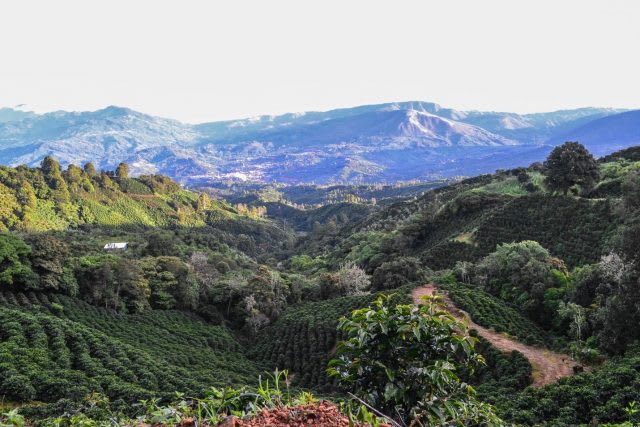
What are the local conditions? What is the effect of local conditions on the flavor of coffee?
Professional coffee knowledge exchange more coffee bean information please follow the coffee workshop (Wechat official account cafe_style) What Is Terroir and How Does It Affect Your Coffee We often hear the word "local conditions" when talking about coffee, but what exactly does "local" mean? Does it have anything to do with the flavor of coffee? Why do we need to care about the local environment? Author mining

Orange County in the valley region of western Costa Rica | the flavor of Velassa strange species treated by Yellow Honey of Infinite Manor
Professional coffee knowledge exchange more coffee bean information please follow the coffee workshop (Wechat official account cafe_style) Orange County in the valley region of western Costa Rica | Infinite Manor Yellow Honey deals with the flavor of Verassa strange species? Infinite Manor was founded by Jos Jaime Crdenas Rojas and his two sisters, Maribel Barrantes Ziga and Kattia Barrantes Ziga.

What are the local conditions? What is the effect of local conditions on the flavor of coffee?
Professional coffee knowledge exchange more coffee bean information please follow the coffee workshop (Wechat official account cafe_style) What Is Terroir and How Does It Affect Your Coffee We often hear the word "local conditions" when talking about coffee, but what exactly does "local" mean? Does it have anything to do with the flavor of coffee? Why do we need to care about the local environment? Author mining

Introduction to Jamaica Blue Mountain Coffee with the Best Growing Conditions
The coffee industry in Jamaica faces a number of problems, such as the effects of hurricanes, increased labor costs and difficulties in mechanizing terraces. Many small estates and farms are difficult to rationalize. Blue Mountain Coffee, however, is one of those coffee retailers that value credibility and want to stock some coffee anyway. A leading British retailer says he's ready to sell whatever the price.

Description of Brazilian Coffee Flavor introduction to the Grinding scale of the treatment method in the Manor area
Brazilian coffee flavor description taste manor regional treatment grinding scale introduction with the sharp reduction in Brazilian coffee production, the market is increasingly worried about the impact of the persistent drought in Brazil on the coffee harvest in the next two years. The Brazilian Coffee Federation predicts that due to the possibility of a severe drought from March 2015, Minas coffee production will fall by 20% in 2015 compared with 2014, and high-quality Brazilian coffee will be sold per bag.